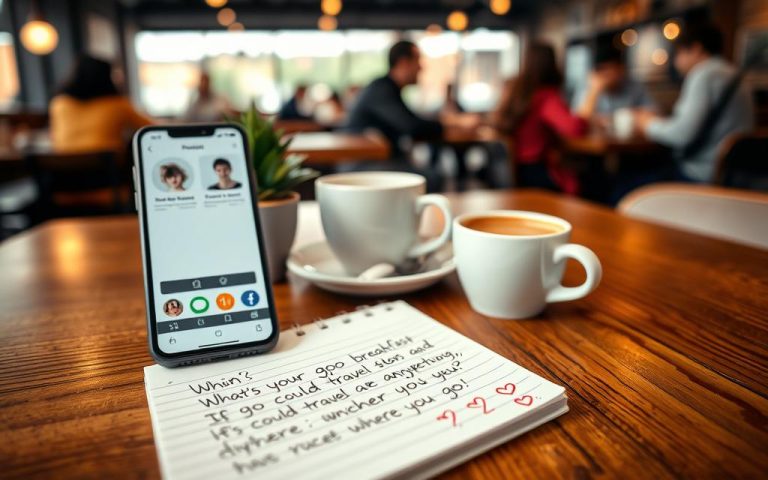
Best Opening Messages to Get More Replies on Dating Apps


What if the reason matches go silent isn’t chemistry but the very first line they send? This article offers practical tips for those in the United States looking to boost their dating app replies.
Many matches fail to respond because common greetings like “hey” or “how’s it going?” seem impersonal. This is true on apps like Hinge, Tinder, and Bumble.
Dating coaches and studies from Hinge and TextVibe suggest that messages that reference the profile or are prompt-based get more replies. Yet, even the best messages won’t work if your profile lacks strong photos or a detailed bio. So, it’s key to make sure your profile is well-rounded.
We’ll discuss which messages to skip, the core principles for messages that get more replies, and provide examples. From fun and creative lines to direct, profile-based messages, we aim to help. Our goal is to make replying feel natural and increase the chance of meaningful conversations and dates.
First impressions on dating apps can start a conversation. When someone reads an opener, they quickly judge tone, effort, and intent. Small changes in wording can greatly affect response rates and engagement.
Generic greetings like “hey” or “how are you?” often get lost in crowded inboxes. They lead to short replies and can be ignored. Messages that reference a photo or hobby, on the other hand, get more attention.
Openers that reference a photo, hobby, or prompt are more engaging. They provide a clear, narrow way to respond. This clarity boosts response rates and moves the conversation forward.
People prefer messages that are easy to respond to. Dating psychology calls this cognitive ease. Specific prompts like “favorite trail” or “go-to karaoke song” make it easier to reply.
Women often look for signs of value and independence. Avoid one-word openers or rushing to ask for a date. A playful challenge or a contrasting compliment can show higher value while keeping the tone light.
Memorable openers are unique and short. One or two sentences that reframe common questions stand out. For example, swap “How was your weekend?” for a quirky scenario that prompts a specific memory.
When profiles are thin, use a low-effort hypothetical or a gentle dare. Avoid generic greetings, questions about relationship status, and asking for a date too soon. Focus on profile quality and write openers that are specific, easy to answer, and reflective of personality.
By following data-backed tips for Best Opening Messages to Get More Replies on Dating Apps, you can see better response rates. This leads to more meaningful exchanges driven by solid dating psychology and memorable openers.
Choosing the right opener can turn a match into a real conversation. This section breaks down strong starters into three clear types. This way, you can pick what fits your style and the app you’re on. Keep your messages short and inviting.
Humor can make people feel more at ease. Try self-deprecation or playful challenges to get a quick response. For example, “My friends dared me to come up with the world’s best opener. How am I doing?”
Debate prompts can start a lively conversation. Say, “Hot take: pineapple on pizza — yes or no?” and share your opinion. Keep these messages short and real.
Witty openers should reflect your personality. Forced jokes can fall flat and hurt your chances. Let your true voice shine through.
Compliments that reference something specific are more impactful. For instance, “That travel photo is amazing. Where was that taken?”
Be reciprocal. Share a bit about yourself when asking about them. For example, “I grew up hiking in Vermont — what’s your favorite local trail?” This makes them feel more comfortable opening up.
Avoid over-the-top flattery. Add a bit of independence to your message. Say, “I like that you’re into yoga. I’m more CrossFit — ever tried swapping classes for a trail run?”
Open-ended questions lead to deeper conversations. Good examples include, “What’s your go-to karaoke song?” or “Most underrated movie of all time — go.” These questions encourage more sharing.
Use shared experiences to your advantage. Ask about weekend plans or local events. For example, “This weather has me wanting to binge something. Any show recs?”
Match your opener to the platform. Hinge works well with prompt-based hooks. Tinder is great for photo-driven or playful messages. Bumble should reflect who started the conversation. Keep your messages short and ready for a follow-up.
Start by reading the other person’s profile. This makes your message feel more personal. Use a detail from their profile, like a photo or favorite band, for your first line. This approach works well on apps like Hinge and Tinder.
Humor is great, but it should fit the other person’s style. Go for light jokes or playful challenges. Avoid jokes that might be misunderstood. Instead, choose something that invites conversation.
When deciding between compliments and questions, questions are better for first messages. They make it easy for the other person to respond. Ask open-ended questions based on their profile. If you do give a compliment, pair it with a question to keep the conversation going.
What comes next is more important than the first message. Have follow-up questions or stories ready. Match your tone to the app you’re using and keep your messages short and true to yourself. This will help you get more replies.