Best Opening Messages to Get More Replies on Dating Apps


Why do many people swipe but wonder, “why no matches?” Is it the photos, the bio, or timing? This piece explores these questions and offers real solutions for online dating.
On Tinder, Hinge, and OkCupid, two patterns stand out. Some users get lots of matches but few dates. Others see their matches disappear after a few messages. These issues show it’s not just one bad photo.
The real goal is to turn matches into dates. This section will guide you. It suggests checking your profile, improving your photos and bio, and using smart messaging to move chats off the app.
Later, we’ll look at specific problems like mismatched expectations and messaging mistakes. We’ll also share simple fixes like quick meetups and casual coffee dates.
By the end, you’ll have a plan for better matches and steps to avoid wasting time on chats that never lead to real dates.
A clear, honest profile shapes early decisions on apps. When people swipe fast, a powerful lead photo and a tight headline do the heavy lifting. That first visual and a short opener form the first impressions dating profile users rely on to decide whether to take a second look.
Profiles that win combine recent images with a consistent story. Matching profile elements—face shots, full-body photos, and activity images—reduces the second look problem. If photos and bio clash, people often swipe away.
Clear signals cut through choice overload. Apps present many options and users may stall when unsure. A cohesive first impression dating profile makes decision-making easier and boosts the chance a match will reply to an opener.
The Role of First Impressions
Lead photos and headlines drive initial swipes. A great lead photo attracts attention while the rest of the profile must confirm authenticity. Behavioral patterns show that mismatched messaging or misleading edits lead to quick drop-off after an initial match.
Key Elements of an Effective Profile
Diverse, recent photos are essential. Include clear face shots, a full-body image, and candid activity photos that reveal hobbies or context. Use a bio that offers specific conversation hooks like favorite travel spots, pets, or local restaurants.
Consistency matters. Photos and text should tell the same story. If the images suggest party life but the bio reads overly serious, readers experience cognitive dissonance and may not engage.
Be explicit about intent. Stating whether the focus is casual dating, a serious relationship, or friendship helps filter mismatched expectations early. Strategic selectivity—reading profiles instead of mass-swiping—yields higher-quality matches.
Common Mistakes to Avoid
Over-optimized photos with heavy filters or face-tuning apps create skepticism. Inconsistent images across a profile encourage unmatching and lower trust.
Generic bios or empty profiles provide no hooks. One-word openers and interview-style messages make replying feel like work. Mass-swiping as a numbers game attracts low-quality matches and wastes time.
Waiting too long to suggest meeting in person risks losing momentum. Long chat cycles let interest fade or let someone else step in. Practical profile optimization combines honest visuals, aligned messaging, and intentional selectivity to attract better matches who are more likely to respond and meet.
Many users wonder why their dating profiles don’t get matches. A quick look at their profile pictures often shows the reason. Images are the first thing people see. Choosing the right pictures and arranging them well can increase engagement and messages.
Start with a recent, well-lit headshot as your main image. Experts say the first photo is key. Then, add a full-body shot to avoid surprises.
Include at least five different images that show your lifestyle and interests. Add travel photos, hobby shots, or pet pictures to spark conversations.
Choose single-person photos, candid shots, and full-body images from the last year. Use photos that show your warmth or humor. These are great for attracting real attention.
Don’t rely on heavy filters or group photos that confuse. Avoid images that don’t match your bio’s tone. Also, don’t post pictures that are misleading or too old.
Understand how algorithms work on dating sites. Swiping too much can signal low interest. This can lead to more matches that don’t result in meaningful conversations.
Use action shots that show your hobbies like cooking, climbing, volunteering, or travel. These images can spark conversations easily. Having a consistent style in your photos helps them match your bio.
If you’re not sure which photos work best, try photo analysis tools or ask friends. Getting feedback can help you replace weak images and plan new ones.
Improving your photo lineup can make people want to reply. Paying attention to what works and what doesn’t can make your efforts worthwhile.
An engaging bio is key to attracting matches. Short, specific lines reveal your personality. Aim for 2–4 crisp sentences that pair with photos to set accurate expectations and reduce mismatched conversations.
People respond to honesty. An authentic bio does not list hobbies as filler. It names places, like Patagonia or Edinburgh, or activities such as rock climbing or home coffee brewing.
Those details act as natural conversation hooks and filter for compatible matches.
Keep interests balanced. Common pursuits make someone approachable. Distinctive facts make them memorable. Mention a first-date idea—coffee, a short hike, or a museum exhibit—to lower friction when suggesting plans.
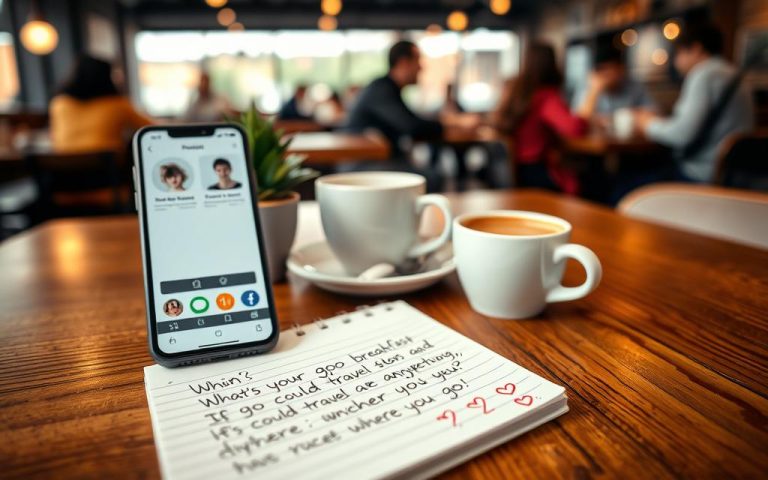
Use conversation hooks that invite one-line replies. A playful prompt like “Pineapple on pizza: defend or denounce?” encourages a quick answer. These low-effort openings increase reply rates and move chats toward a meetup.
When messaging, reference a clear item from a match’s profile and ask an easy question. Examples that work: ask about a travel photo, note a climbing route versus an indoor wall, or offer a light choice like “coffee or tea?”
Time messages for peak activity windows: weeknights 6–10 PM and weekend mornings or evenings. A two- to three-sentence opener that names something specific, asks a simple question, and shares a small personal detail outperforms one-word messages or generic compliments.
Good profile copywriting ties these elements together. Combine dating bio tips with concrete hooks, craft an authentic bio, and use smart conversation hooks to improve replies and speed the path to an in-person meeting.
Small changes can make a big difference in online dating. Instead of rewriting your whole profile, focus on making practical changes. Look at your search filters and how you match with others before blaming your profile.
Try adjusting your search filters to find better matches. Widen your search area or age range to find quality matches. Look for profiles with detailed bios and varied photos to spark interesting conversations.
Use a “hell yes / no” filter to focus on profiles that interest you. Reply in focused blocks and keep a steady message pace. After six to ten messages, suggest a casual meet-up to see if there’s chemistry.
Ask friends for honest feedback on your profile. They can spot weak points and inconsistencies. If you’re stuck, consider professional help for photo analysis or message coaching.
Be realistic about your expectations. Average messages get 20–30% replies, while effortful messages can get 40–60%. A good strategy includes selective matching, cohesive profiles, and timely replies. This approach can turn matches into dates.